The Cost of One More Floor: Why Construction Impunity Still Kills
Analysis of Nairobi’s Jan 2nd building collapse. How unauthorized floors and construction impunity lead to fatal structural failures and loss of life.
Introduction
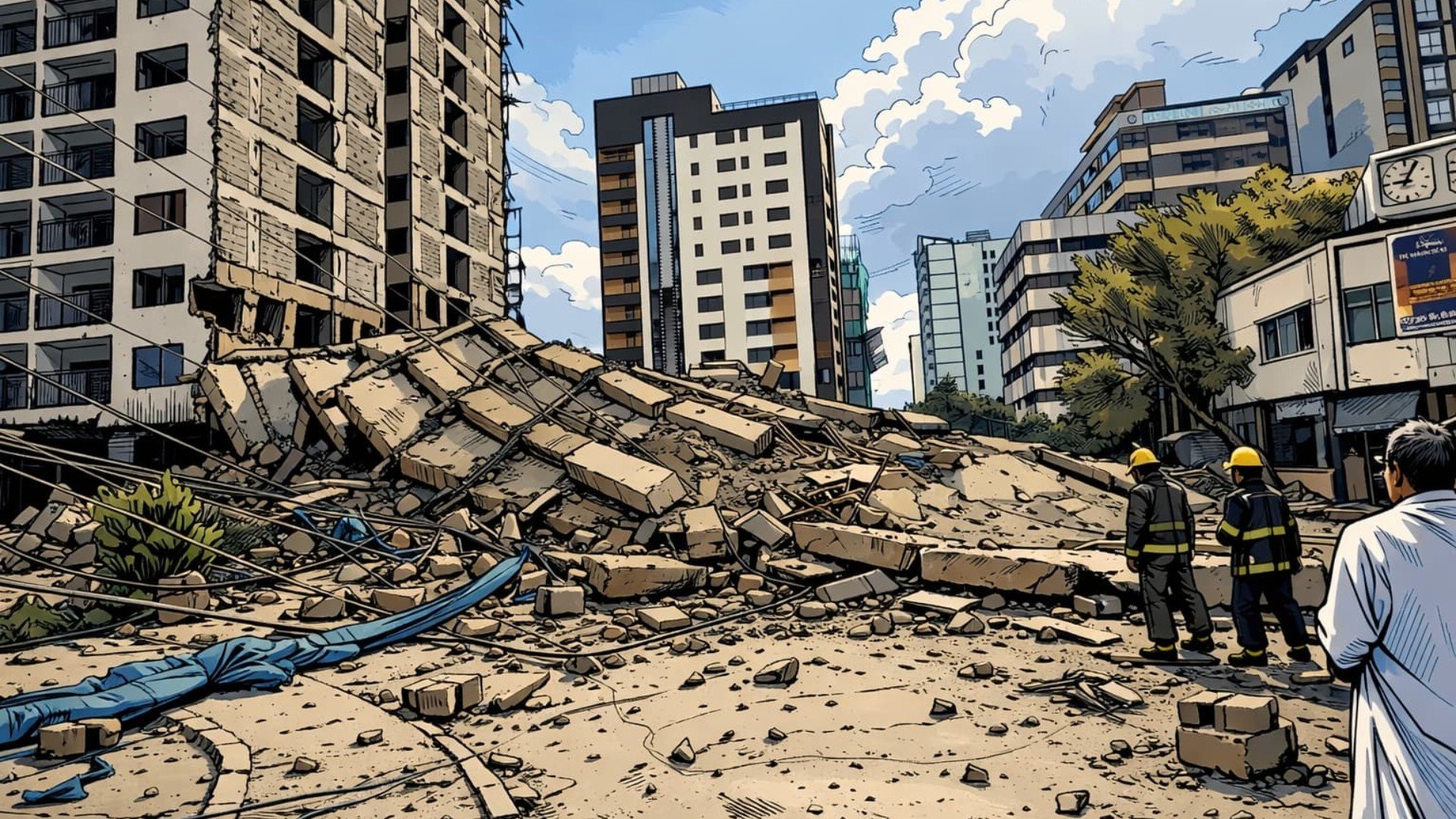
The New Year is usually a season of blueprints and new beginnings. But on January 2nd, while the memories of countdowns and fireworks were still fresh, Nairobi’s South C area became the site of a grim reality check. The collapse of a multi-storey structure under construction has turned a time of high hopes into a period of mourning and urgent rescue.
Reports from the Daily Nation and the National Construction Authority (NCA) have begun to shed light on a disaster that was, by all technical accounts, preventable. Most haunting is the revelation that while the building was approved for 12 floors, it had reportedly reached its 16th storey when it gave way.
When Ambition Outpaces the Foundation
In construction, the foundation is a "fixed contract" with the earth. It is designed to support a specific maximum weight (the "load"). Once that foundation is cast, you cannot simply renegotiate that contract by adding more floors later.
The Design Limit
Engineers calculate the size and depth of foundations based on the intended height. A building designed for 12 floors has a specific footprint of reinforcement and concrete. Forcing it to carry 16 floors is like asking a bridge built for cars to support a freight train.
The "Safety Margin" Fallacy
Every professional design includes safety allowances. However, these are meant to account for material variance or extreme weather – not to serve as a "bonus" capacity for unauthorized expansion. Stretching your luck by eating into these margins removes the building's only defence against structural stress.
Pancake Collapse
Preliminary assessments describe this as a "pancake-type" collapse, where each floor falls flat onto the one below. This is often the result of vertical supports (columns) failing simultaneously because they were crushed by a load they were never intended to hold.
A Pattern of Impunity
While the unauthorized height is a primary factor, reports also indicate that the project was listed as "non-compliant" by the NCA at the time of the collapse. This points to a larger issue of construction impunity – where developers proceed in the shadows, bypassing the inspections that might have caught these fatal flaws.
Beyond unauthorized floors, buildings in our region continue to fail for several recurring reasons:
- Substandard Material Strength: Using "lean" concrete mixes or low-grade steel to save costs.
- Soil Neglect: Skipping ground investigations (geotechnical surveys) that would reveal if the ground can actually support the weight of a high-rise.
- Workmanship Gaps: A lack of qualified supervision on-site, in the form of a clerk of works, to ensure the structural engineer’s plans are followed to the letter.
The Human Cost
As we analyse the technical failures, we cannot ignore the human tragedy. With fatalities confirmed and workers still feared trapped in the rubble, the cost of this impunity is measured in lives, not just shillings.
My thoughts are with the families waiting for news near Muhoho Avenue. We hold onto the hope that the combined efforts of the Kenya Defence Forces (KDF), the Kenya Red Cross, and the National Disaster Management Unit (NDMU) will lead to the safe recovery of those still missing.
The turn of the year should be a time for building a better future. But as this tragedy shows, that future must be built on the bedrock of integrity and engineering discipline, or it will not stand.
Stay Updated
Subscribe to our newsletter to get the latest articles and insights delivered to your inbox.

Ernest Nyakundi
Ernest is the Founder and CEO of Goldberry Investments Ltd. He holds a Bachelor’s degree in Quantity Surveying from the University of Nairobi and is a member of the Institute of Quantity Surveyors of Kenya. With over five years of experience in the construction industry, he has developed strong expertise in cost management, project delivery, and emerging construction technologies.
Ernest Nyakundi
Ernest is the Founder and CEO of Goldberry Investments Ltd. He holds a Bachelor’s degree in Quantity Surveying from the University of Nairobi and is a member of the Institute of Quantity Surveyors of Kenya. With over five years of experience in the construction industry, he has developed strong expertise in cost management, project delivery, and emerging construction technologies.
Related Articles

JengaLex: The AI Expert for Construction Contracts and Regulations in Kenya
JengaLex: AI for Kenyan construction pros. Instantly query JBC, FIDIC, PPRA, and Building Code requirements for faster contract reviews and smarter compliance....

Building on Solid Ground: The Definitive Guide to Kenyan Construction Contracts
A comprehensive roadmap to JBC, FIDIC, and PPRA frameworks for developers and contractors in 2026....

A New Year of Building Smarter
Laying the foundation for better construction decisions with JengaLex and Cost Master...